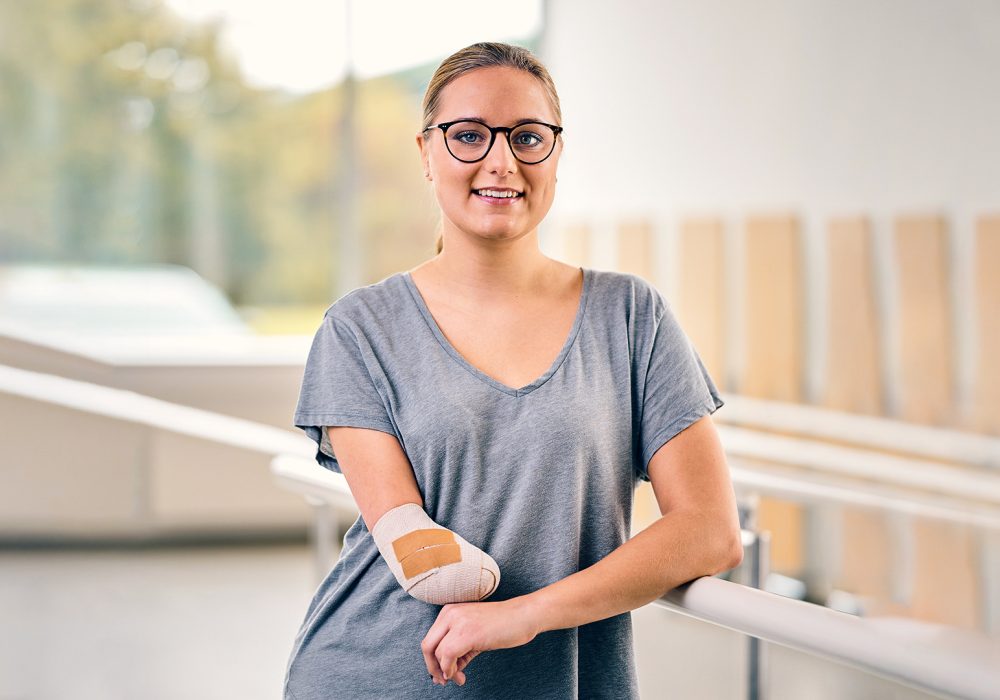
Arm amputation is a surgical procedure involving the removal of a part or the entirety of the arm. This life-altering intervention is typically performed when the arm is severely damaged, diseased, or poses a risk to the patient’s overall health. While the loss of an arm can be physically and emotionally challenging, advances in medical care, prosthetics, and rehabilitation have significantly improved outcomes and quality of life for amputees.
Arm amputation may be necessary due to a variety of medical conditions and traumatic events. Some of the most common causes include:es, nerve lacerations, and amputations.
Common traumatic conditions we treat include:
Severe trauma from accidents such as motor vehicle collisions, industrial accidents, or military combat can cause irreparable damage to the arm. When the limb is crushed, severely mangled, or has lost blood supply, amputation may be the only viable option to save the patient’s life.
Conditions that impair blood flow, such as peripheral artery disease (PAD) or diabetes-related complications, can lead to tissue death (gangrene) in the arm. When blood circulation cannot be restored, amputation may be necessary to prevent the spread of infection.
Severe infections that do not respond to antibiotics, such as necrotizing fasciitis or osteomyelitis (bone infection), can necessitate amputation to control the infection and protect the patient’s health.
Malignant tumors in the bones, muscles, or soft tissues of the arm may require amputation to remove cancerous tissue and prevent metastasis.
In rare cases, congenital limb deficiencies or deformities may lead to elective amputation to improve function or facilitate prosthetic fitting.
The level of amputation depends on the extent of injury or disease and the goal of preserving as much function as possible. Common types include:
The choice of amputation level is critical for optimizing prosthetic use and functional outcomes.
Arm amputation is performed under general anesthesia by an experienced surgical team. The procedure involves several key steps:
Recovery from arm amputation involves physical, psychological, and social rehabilitation. The goals are to promote healing, restore function, and help the individual adapt to life after amputation.
Physical therapy begins soon after surgery to maintain strength and flexibility in the remaining limb and shoulder. Rehabilitation focuses on:
Modern prosthetic arms range from simple cosmetic devices to advanced myoelectric limbs controlled by muscle signals. Prosthetic fitting is a personalized process involving:
Losing an arm can lead to emotional challenges such as grief, depression, and anxiety. Psychological counseling, peer support groups, and occupational therapy are essential to help individuals cope and regain confidence.
Many individuals with arm amputations lead active, fulfilling lives. Adaptations in daily activities, workplace accommodations, and assistive technologies enable independence. Key considerations include:
Recent innovations have transformed the field of arm amputation:
Arm amputation is a complex medical intervention that requires a multidisciplinary approach to care. Understanding the causes, surgical options, rehabilitation process, and available technologies can empower patients and families to make informed decisions. With comprehensive support and modern prosthetics, individuals with arm amputations can achieve remarkable levels of independence and quality of life.
Chat With Me